Yaron Shamir Projects – 2026
BOLERO – Ballet , Theater Magdeburg – 2026
Bolero Ballet by Yaron Shamir
Music by Maurice Ravel and Missy Mazzoli World Premiere
Musical Direction: GMD Christian Øland
Choreography: Yaron Shamir
Set Design: Lars Peter / Costume Design: Rosa Ana Chanzá
Dramaturgy: Ulrike Schröder
Trailer: Adrian Zacke / Photos: Ida Senna
The Soul: Joel Dettori The Conscience: Fiammetta Gotta The Seduction: Chiara Amato, Andrea Cheldi, Chloe Jones, Francesca Raule Dancers: Chiara Amato, Rodrigo Aryam, Federico Zeno Bassanese, Andrea Cheldi, Gennaro Chianese, Aurora Conte, Joel Dettori, Inês Fernando, Antonio Ferrante, Ghabriel Gomes, Fiammetta Gotta, Chloe Jones, Dulce Jordão, Louise Meyer-Bisch, Giacomo Quatraccioni, Francesca Raule, Stefano Sacco, Sofia Simone Mit: Ballet Theatre Magdeburg, Magdeburg Philharmonic
PRESSE: Tanznetz – Rico Stehfest 15.02.2026
Boléro and no end in sight. Düsseldorf, Mannheim, Munich, Gelsenkirchen, or the Landesbühnen Sachsen in Radebeul: Boléro fever is clearly sweeping Germany. And so it has reached Magdeburg. There, Yaron Shamir took over the choreography and did everything right. The dancers are perfectly in sync with the performance. It’s become common knowledge how effective it is in terms of authentic expression when the movement material is developed in collaboration with the dancers. And in this case, it’s particularly evident.
PRESSE: TAG24 – Lena Schubert 15.02.2026
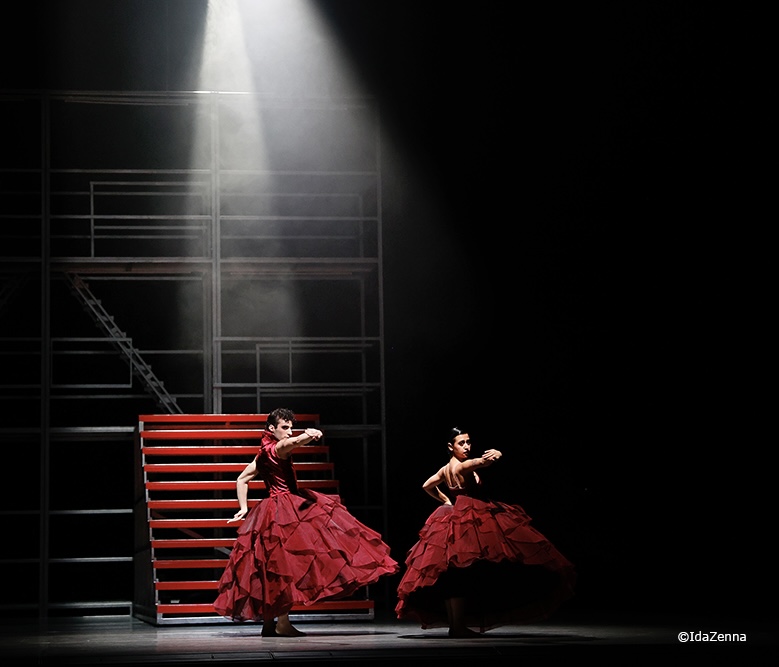
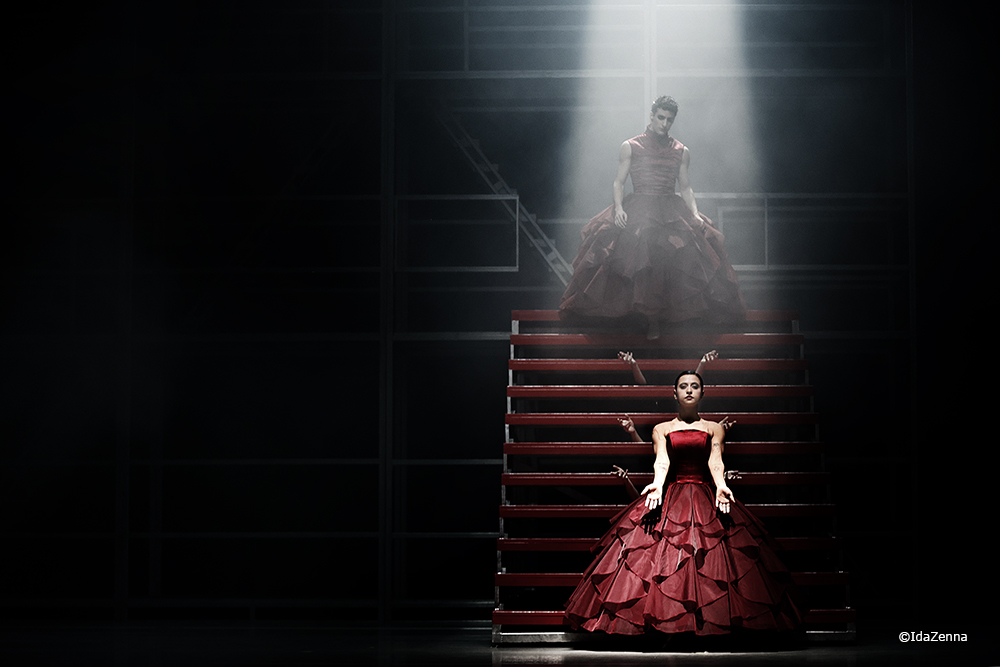
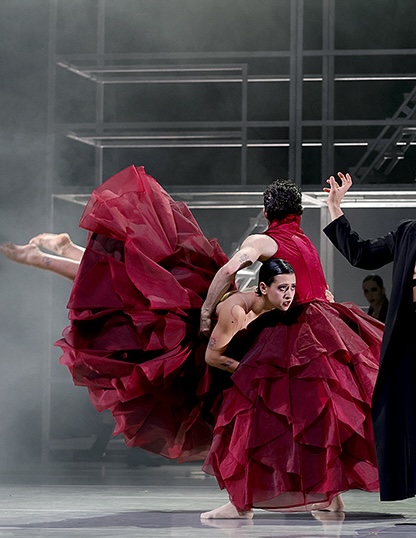
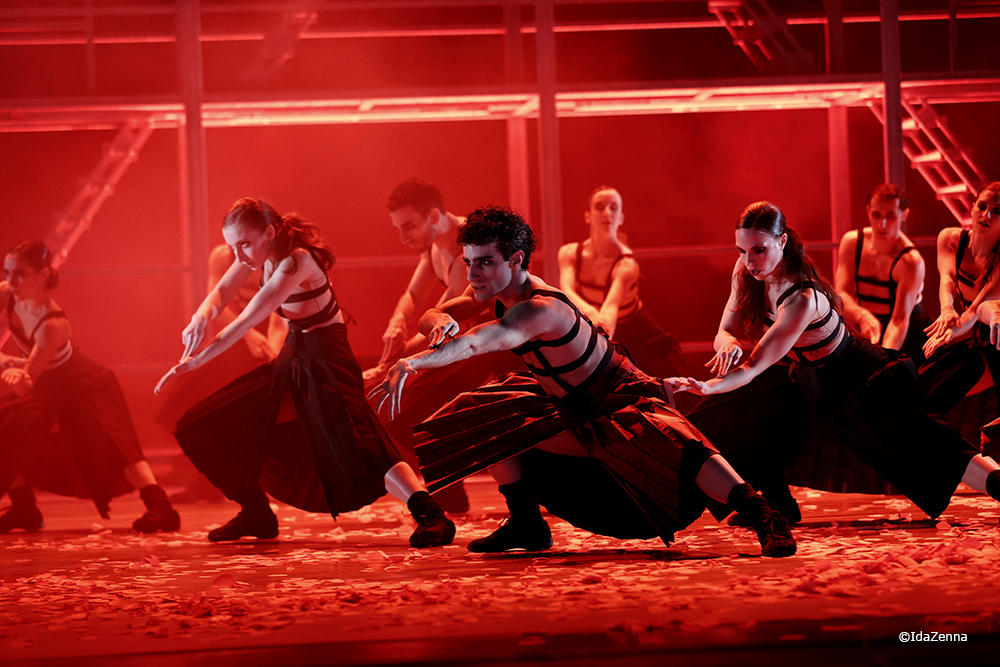
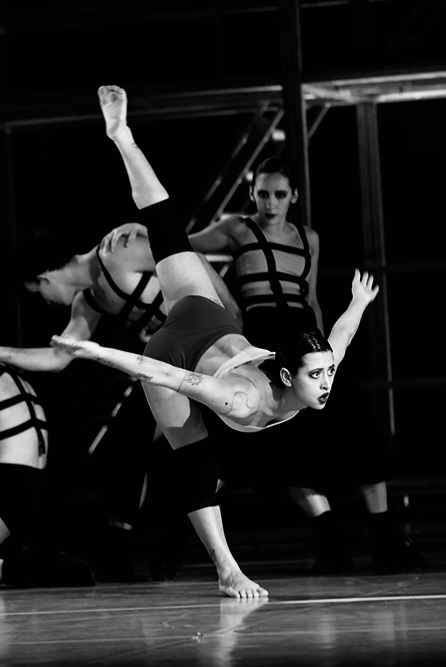
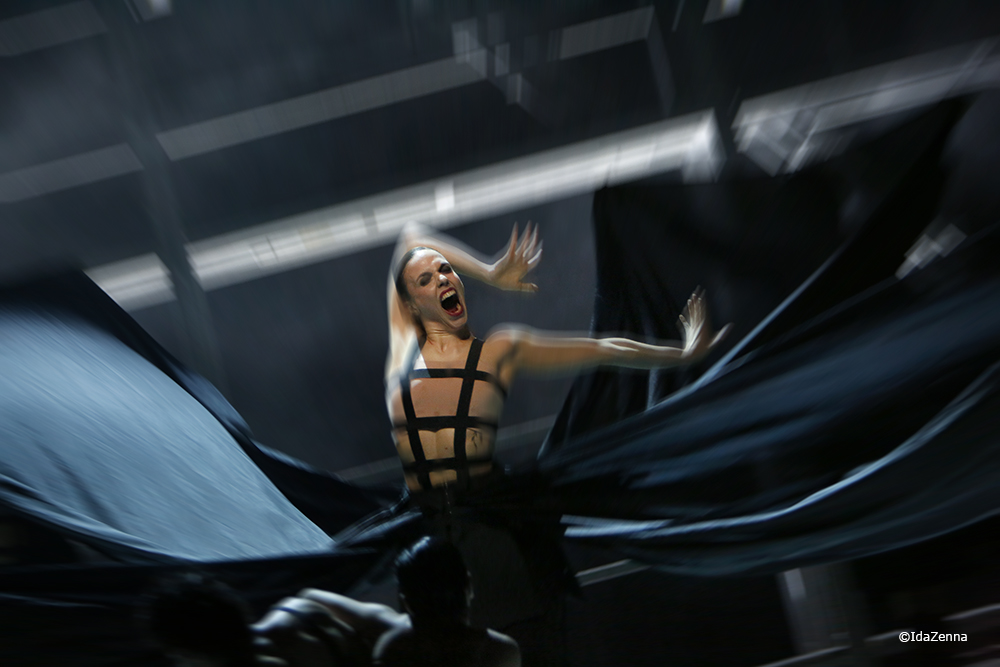
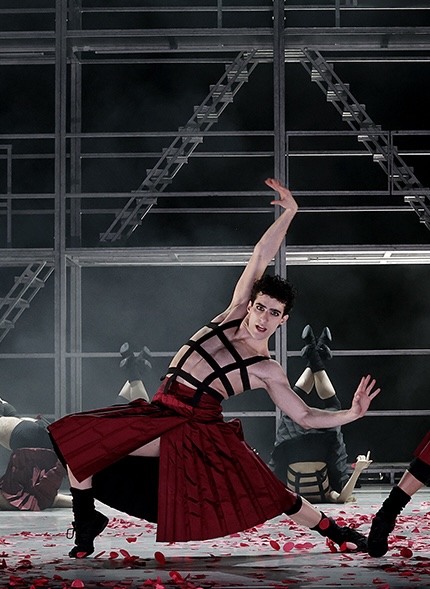
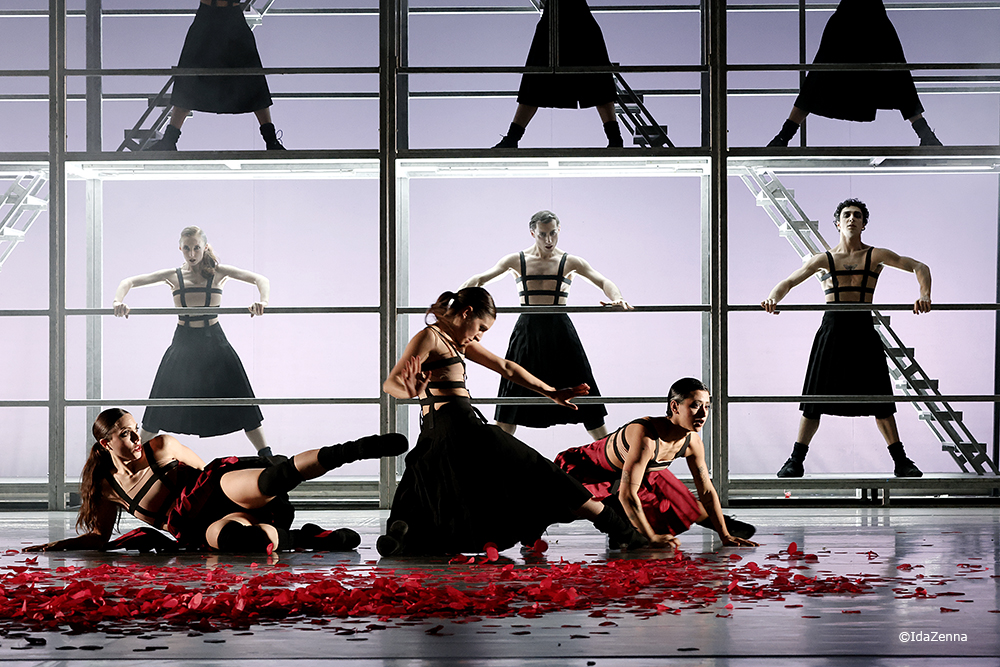
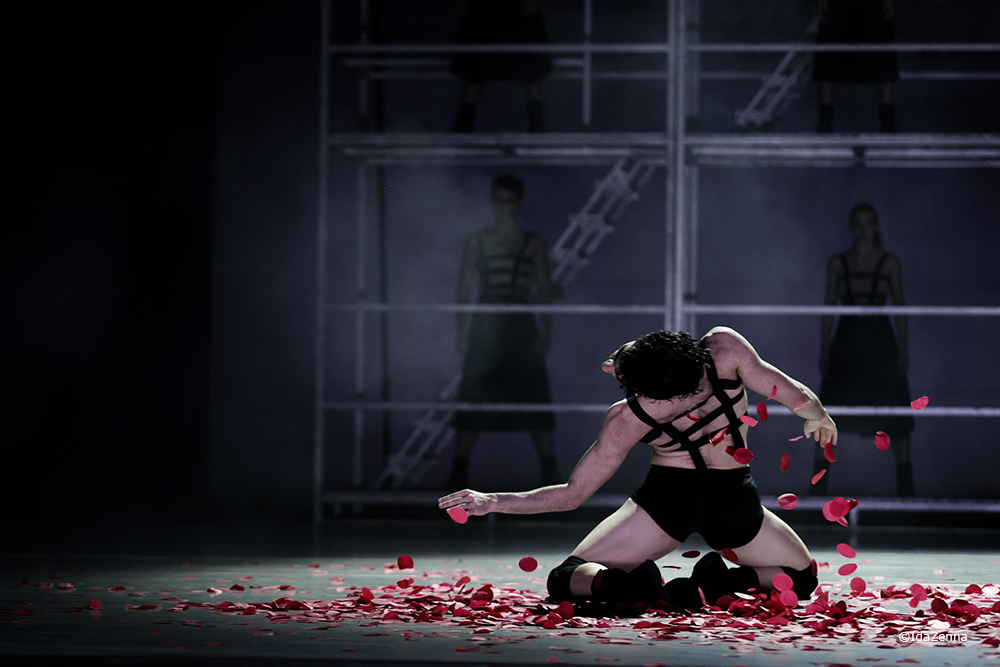
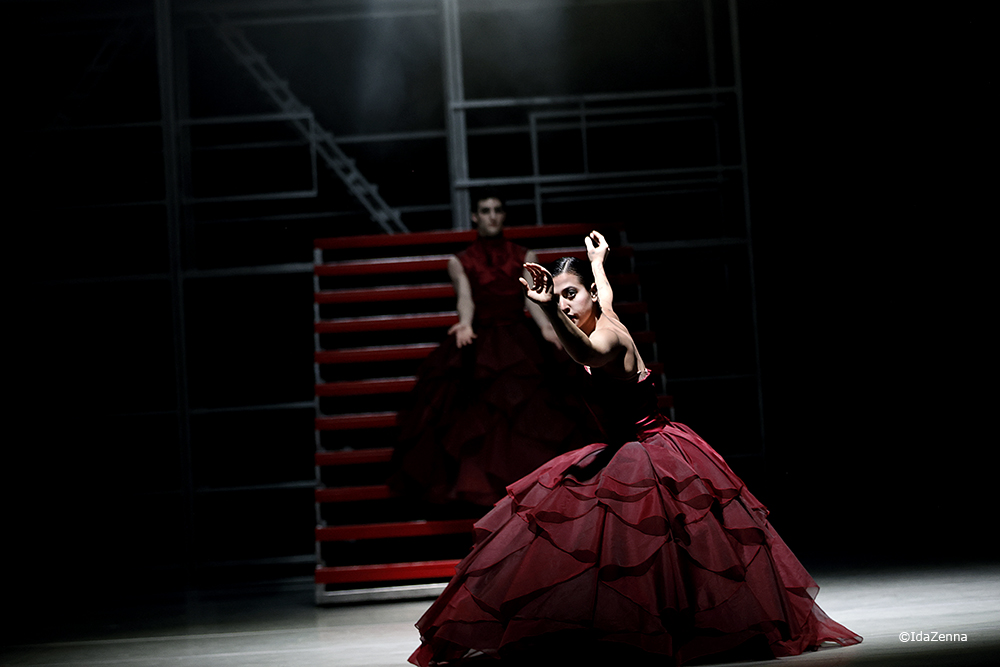
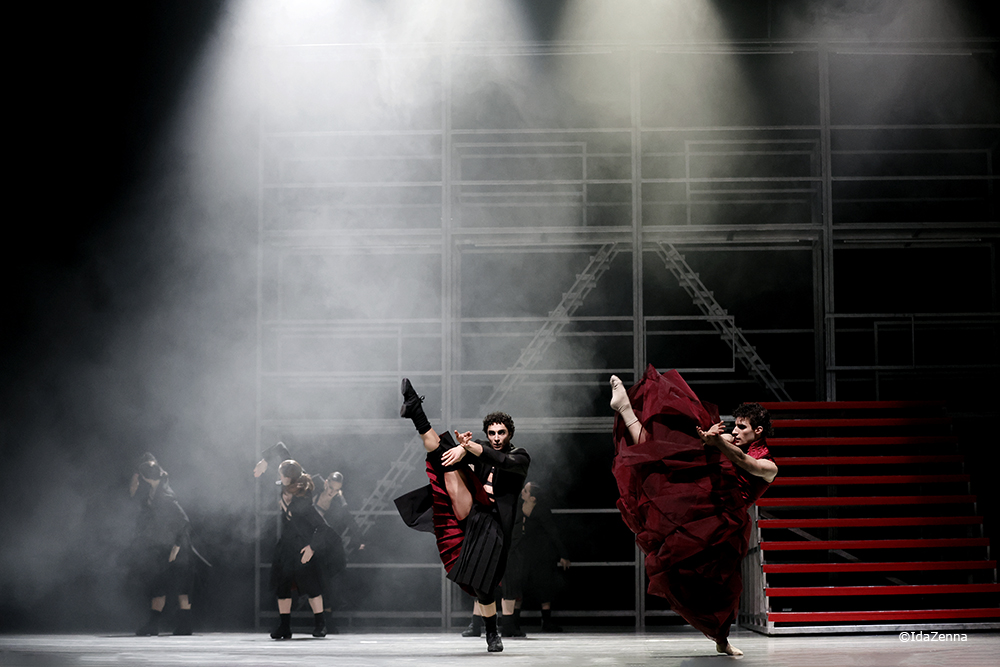
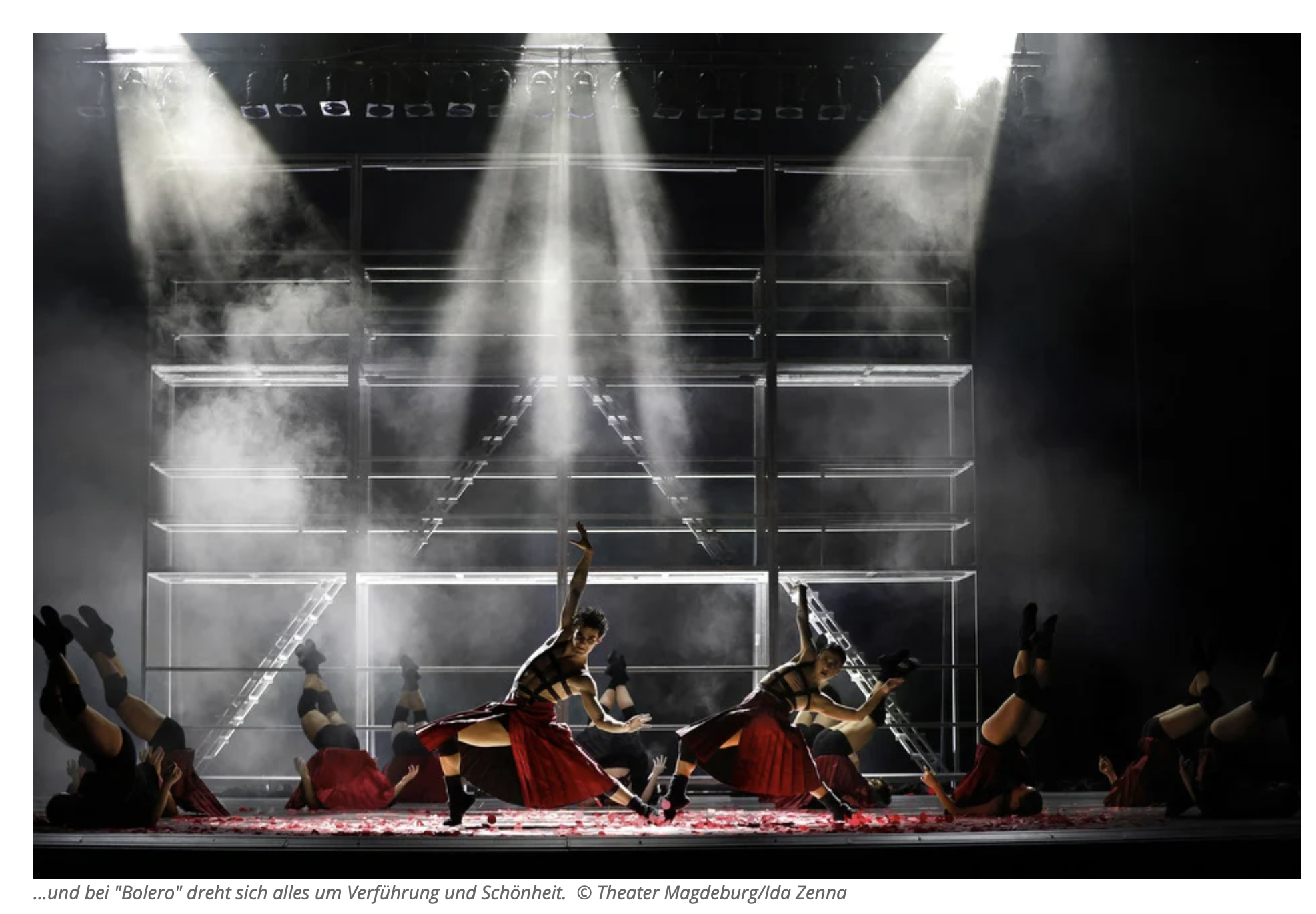
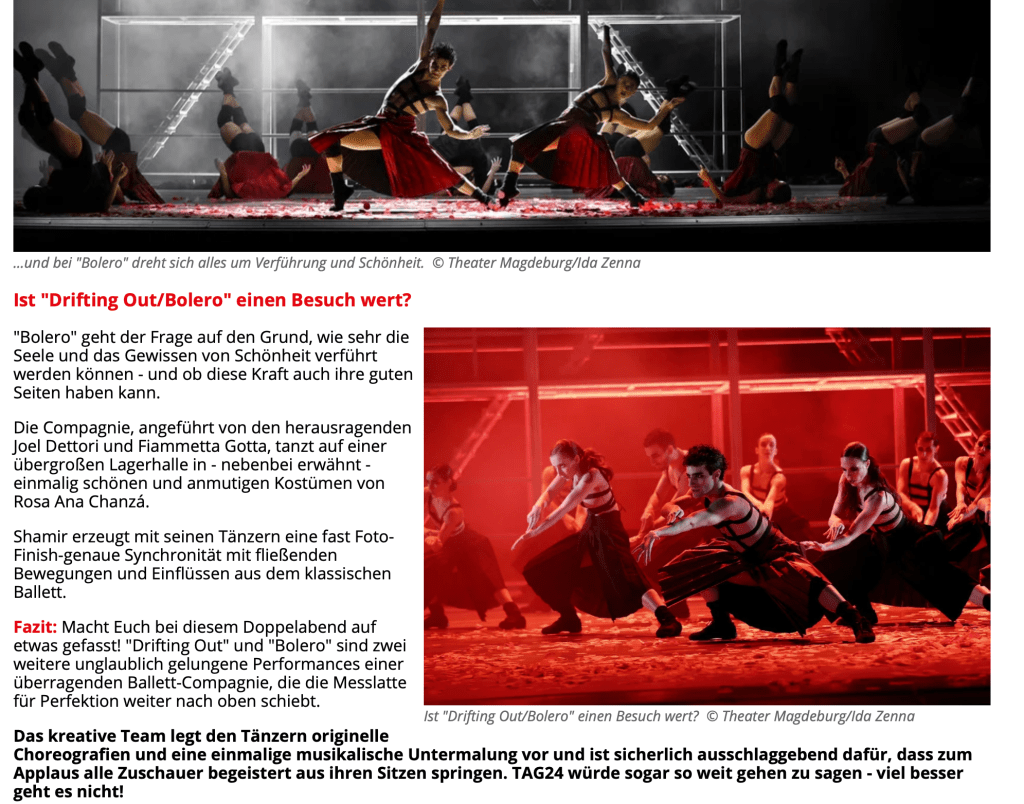
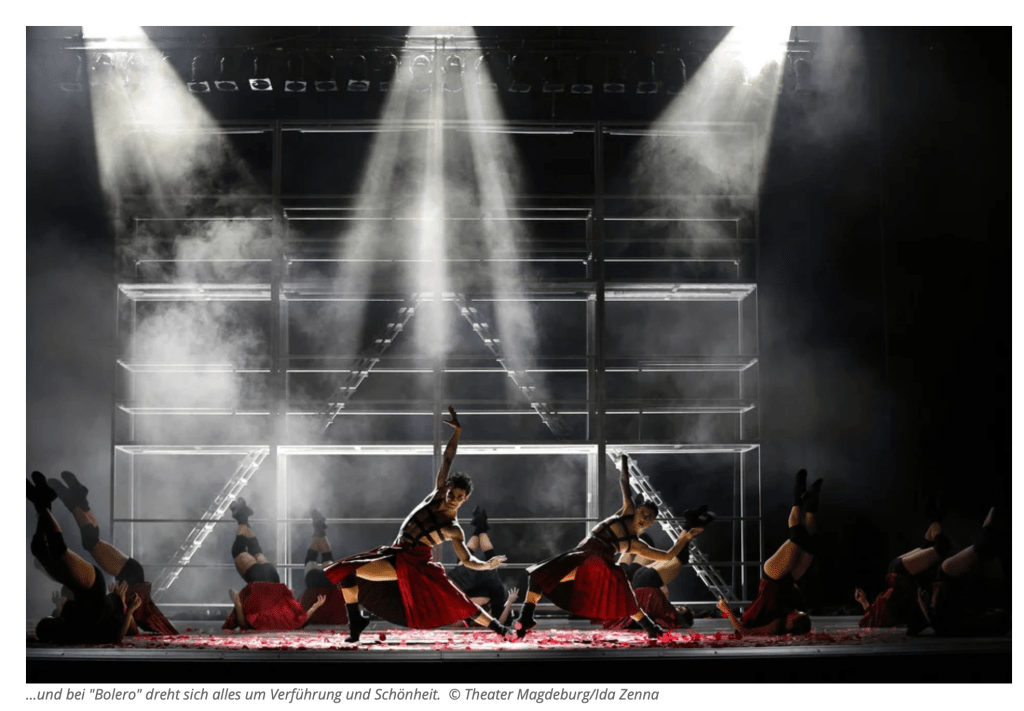
“Bolero” explores the question of how much the soul and conscience can be seduced by beauty – and whether this power can also have its positive aspects. The company, led by the outstanding Joel Dettori and Fiammetta Gotta, dances on an enormous warehouse in – incidentally – uniquely beautiful and graceful costumes by Rosa Ana Chanzá. Shamir and his dancers achieve an almost photo-perfect synchronicity with fluid movements and influences from classical ballet. In short: Prepare yourself for something special at this double bill! “Drifting Out” and “Bolero” are two more incredibly successful performances from a superb ballet company that continues to raise the bar for perfection. The creative team provides the dancers with original choreography and a unique musical score, and is undoubtedly the key to ensuring that all audience members leap to their feet in enthusiastic applause. TAG24 would even go so far as to say – it doesn’t get much better than this!
Addiction to Beauty
Dramaturg Ulrike Schröder in conversation with choreographer Yaron Shamir about his choreography Bolero
US: What was the starting point for your ballet? The idea or the music?
YS: In this case, it began with the music, or rather, the commission from Jörg Mannes to choreograph Ravel’s Boléro. We then selected two pieces by Missy Mazzoli, which are more open in their dramaturgy and musically complement Boléro. I usually develop my choreographies together with composers I know; here, the challenge was to engage with the given music. But I love challenges, I love leaving my comfort zone!
US: What exactly is this challenge?
YS: The difficulty lies in the arcs of tension: The two pieces by Missy Mazzoli develop a great crescendo that then breaks off at the end. The challenge is to start completely from scratch for Boléro and rebuild the tension. For the dancers, it’s also not so easy to orient themselves within Mazzoli’s complex music. This is actually easier in Mazzoli’s second piece, Orpheus Undone, because it’s a suite of ballet music.
The Boléro, finally, is like “holy ground”—you can’t mess around with it. Its mechanical structure tempts you to make equally precise, mechanical movements, which then becomes a boring duplication in the long run. We have to counteract that choreographically!
US: How did you come up with your theme?
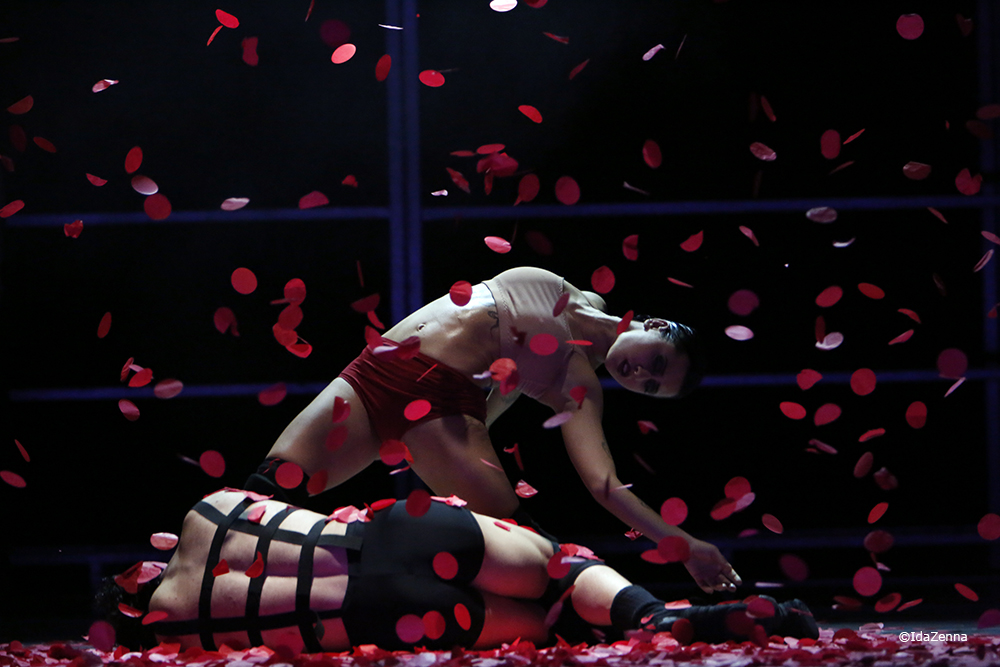
YS: Last spring, I was on a train to Graz, traveling through mountains and red poppy fields. I was fascinated by the ambivalence of this beauty, since poppies are the source of opium. The relationship between beauty and addiction, the experience that beauty can draw us into something dark—that’s what I want to explore in this ballet.
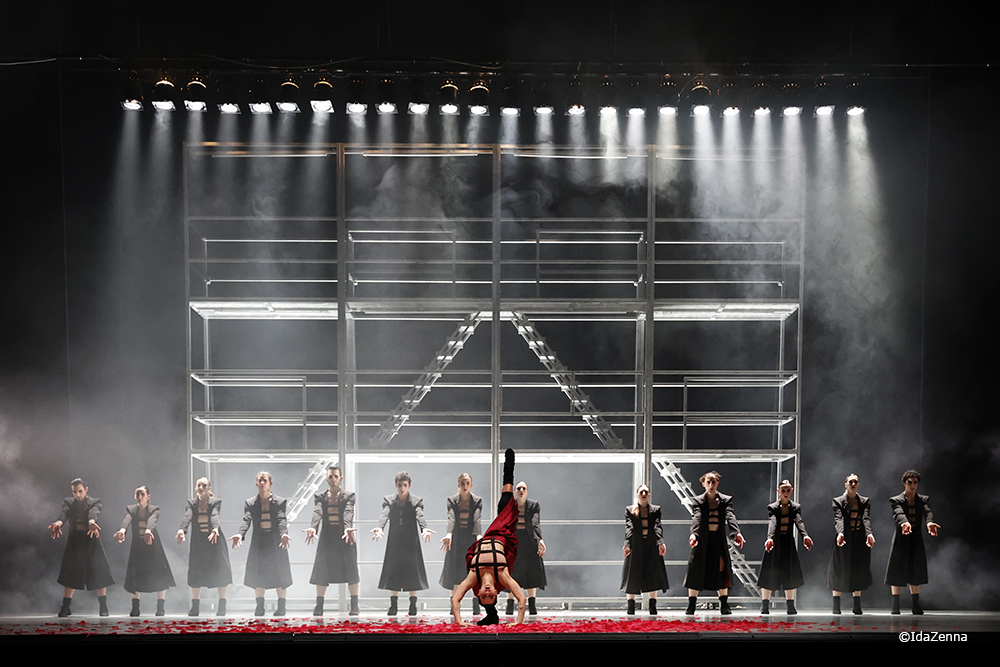
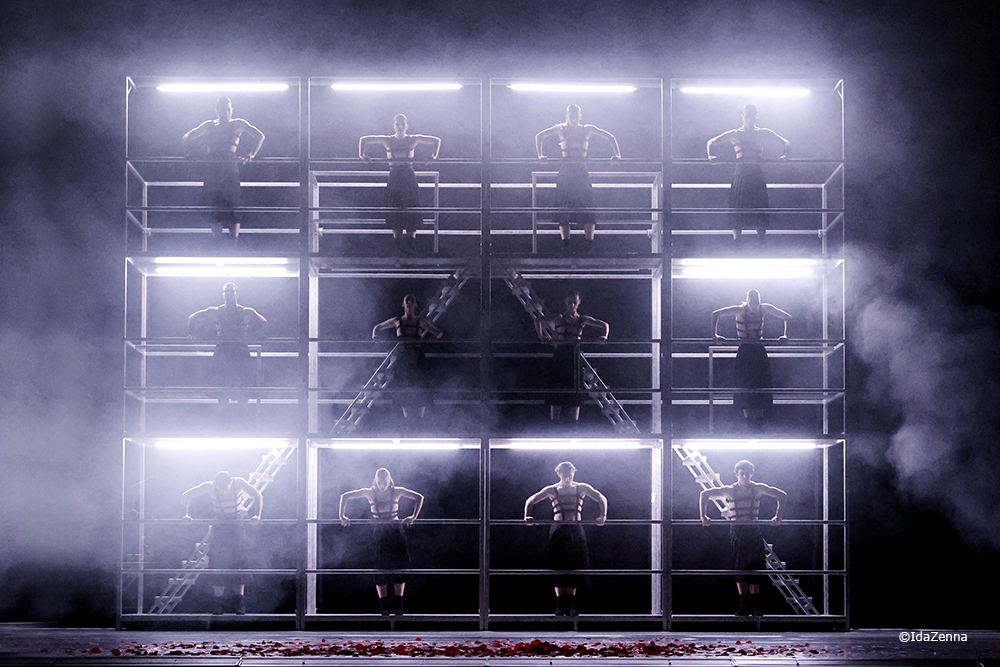
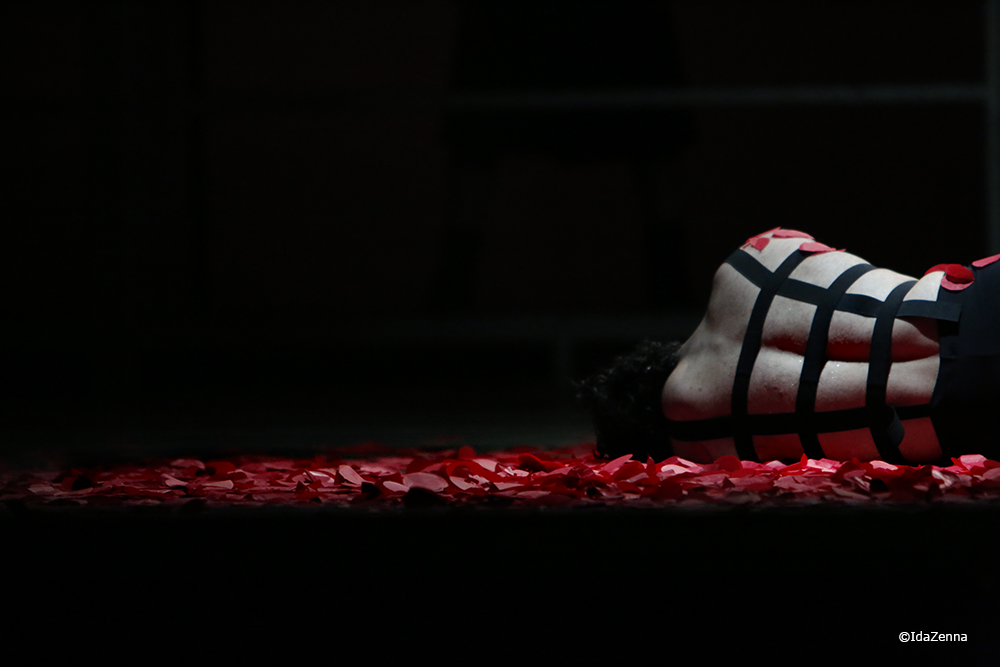
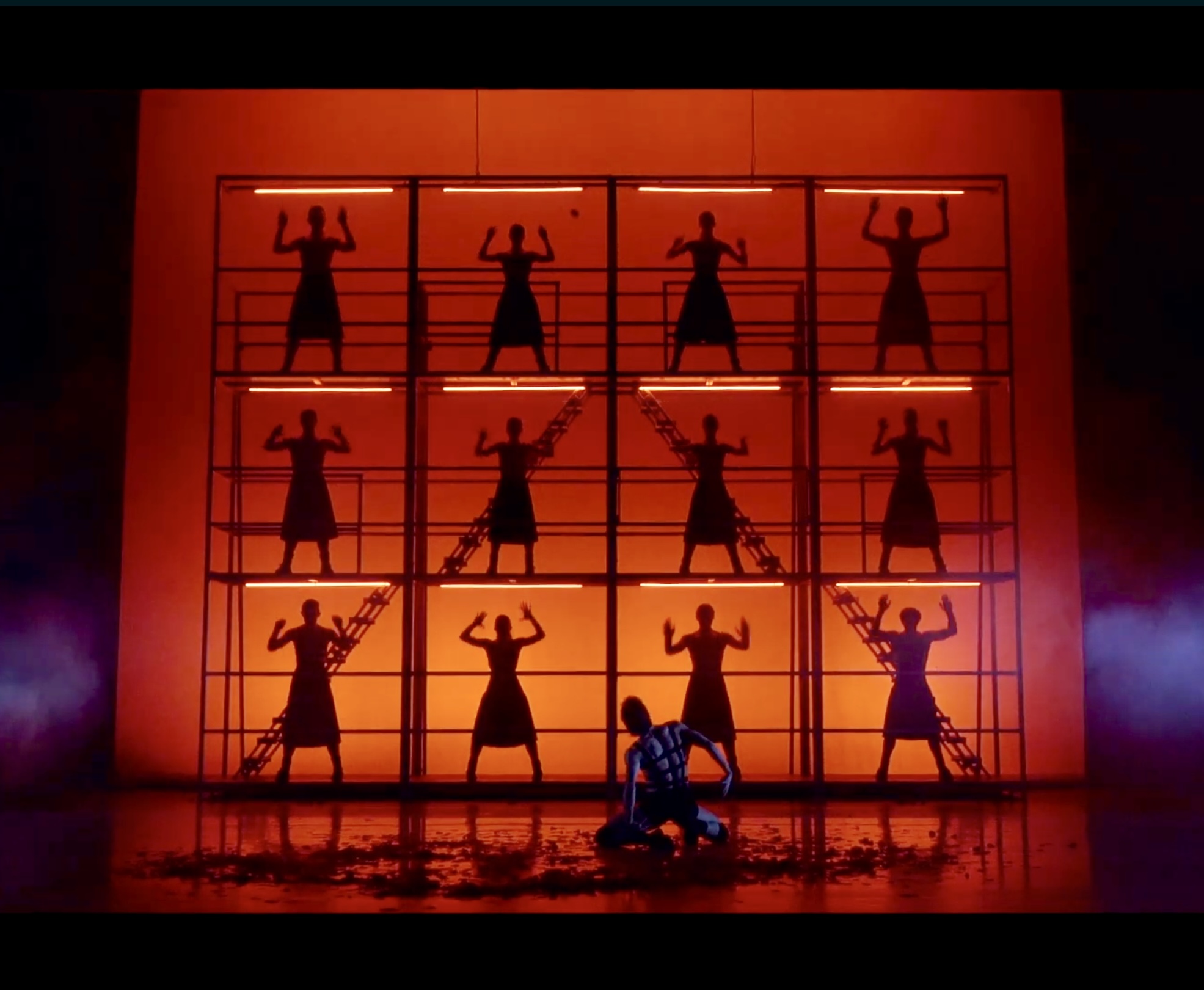
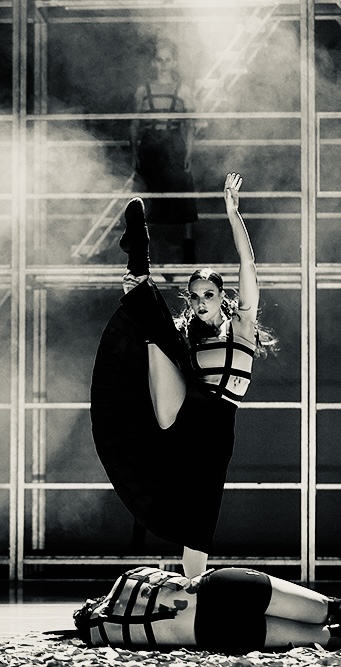
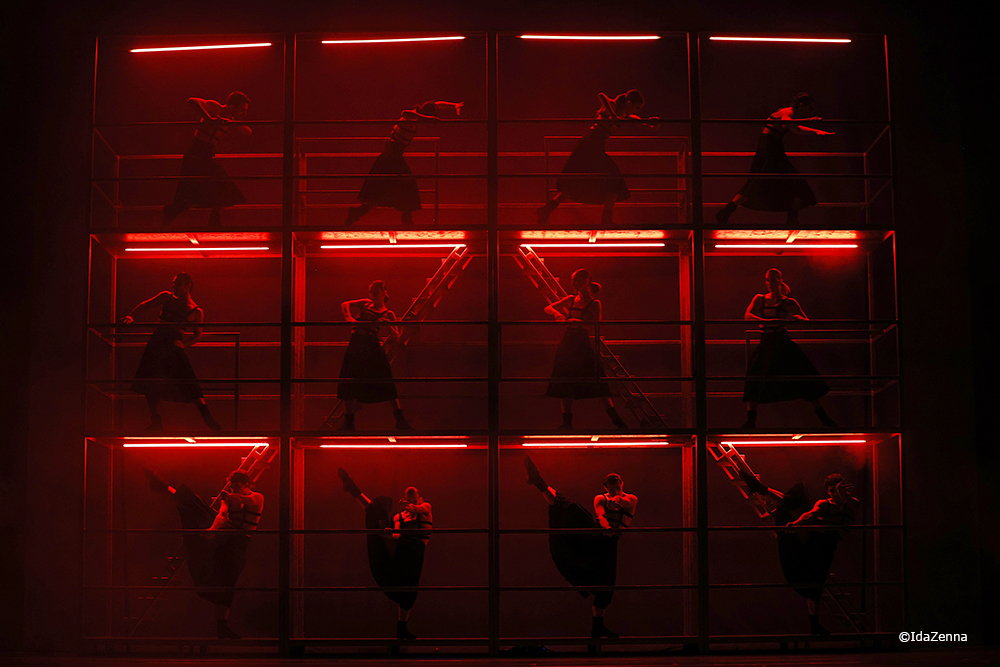
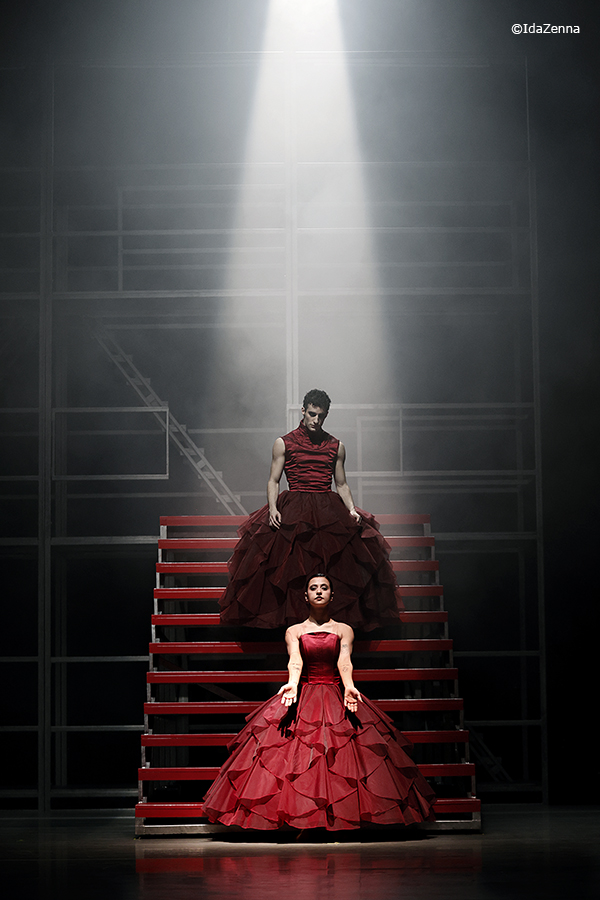
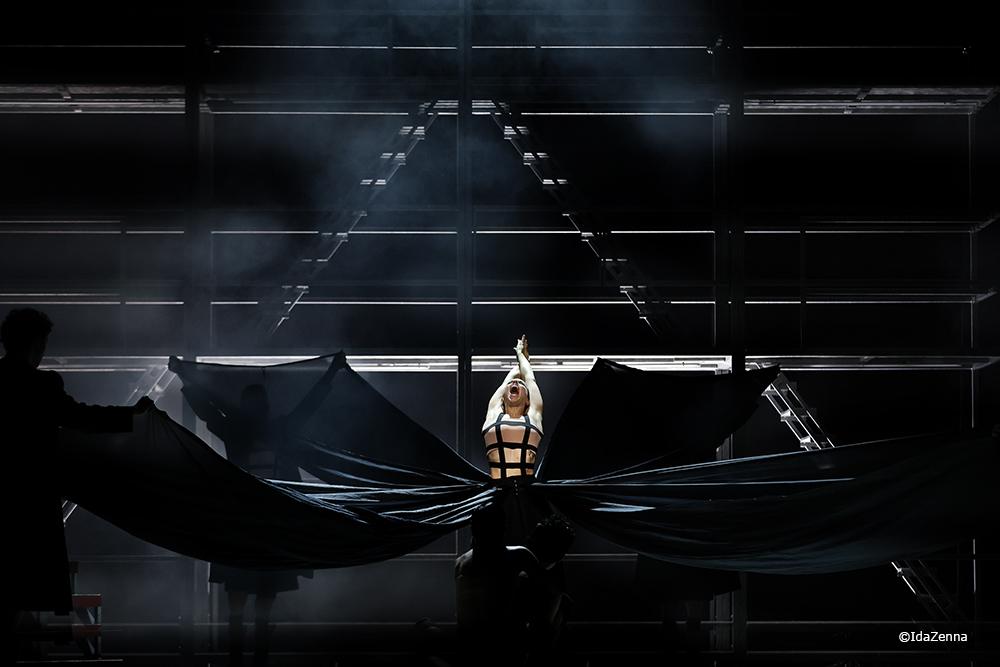
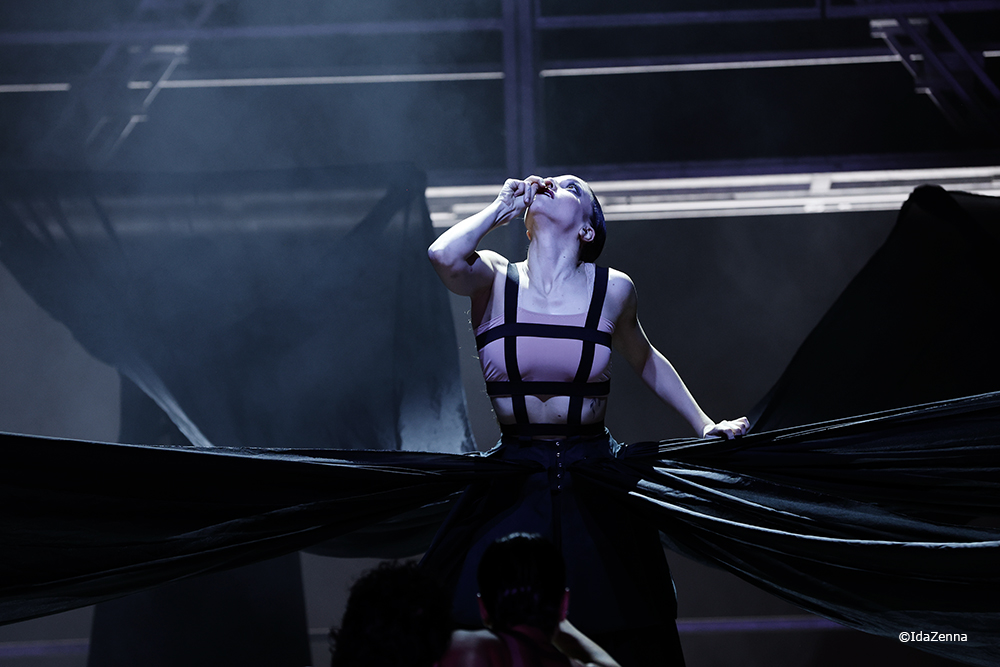
At the center is a person represented by the two aspects of soul (Joel Dettori) and conscience (Fiammetta Gotta). The external temptation (Chiara Amato and others) shatters the individual’s unity, the soul is drawn ever deeper into the abyss of addiction, and the conscience fights desperately against it until it can no longer resist. In three central scenes, the soul’s confrontation with its demons is brought to a head through dance: at the beginning of Orpheus Undone in a quintet of the soul with four dancers; in the second part of Orpheus Undone, when temptation dominates the scene like a giant spider; and finally in Boléro, when the soul’s demons stand before it like an impenetrable wall.
US: How did you develop the choreography?
YS: As a dancer, I was often hired because of my very particular movement language, so to speak, “typecast.” As a choreographer, I initially tried to rehearse “my” movement language with other dancers. But this language, this repertoire, is not theirs! Therefore, in my work, I’ve adopted a practice of having the dancers themselves develop the steps and movement material at the beginning of rehearsals by asking them specific questions, such as: What does addiction mean to you? I then assemble the choreography from this material. I examine the situation I want to portray, and the movement and intensity emerge from that. This gives the dancers great freedom and, at the same time, responsibility: The structure is clear, but they have to truly fill it themselves. If they succeed, they truly make the choreography their own.
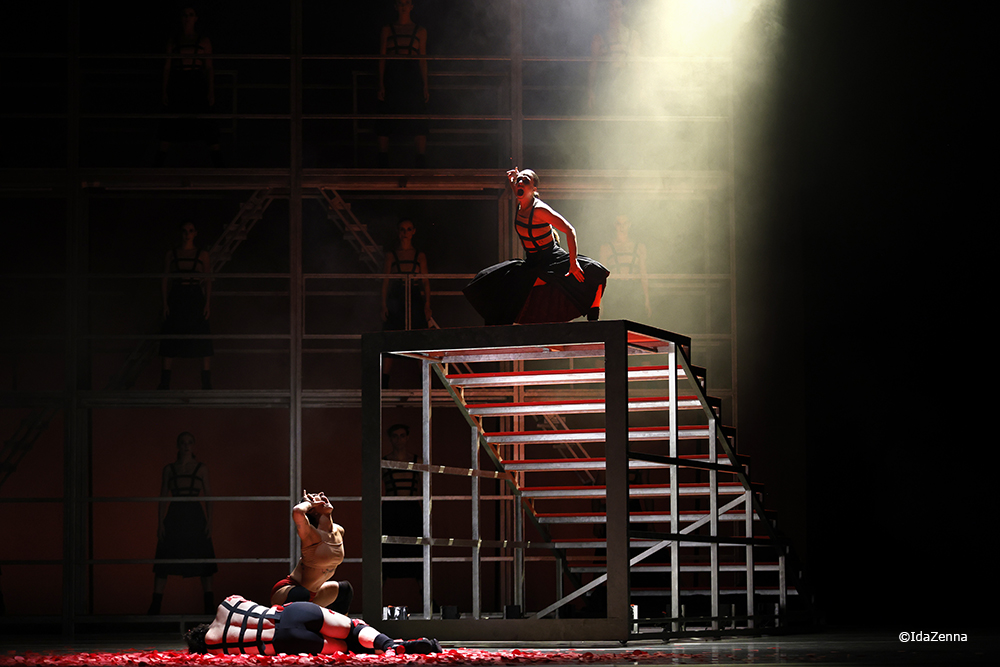
US: What does the stage contribute?
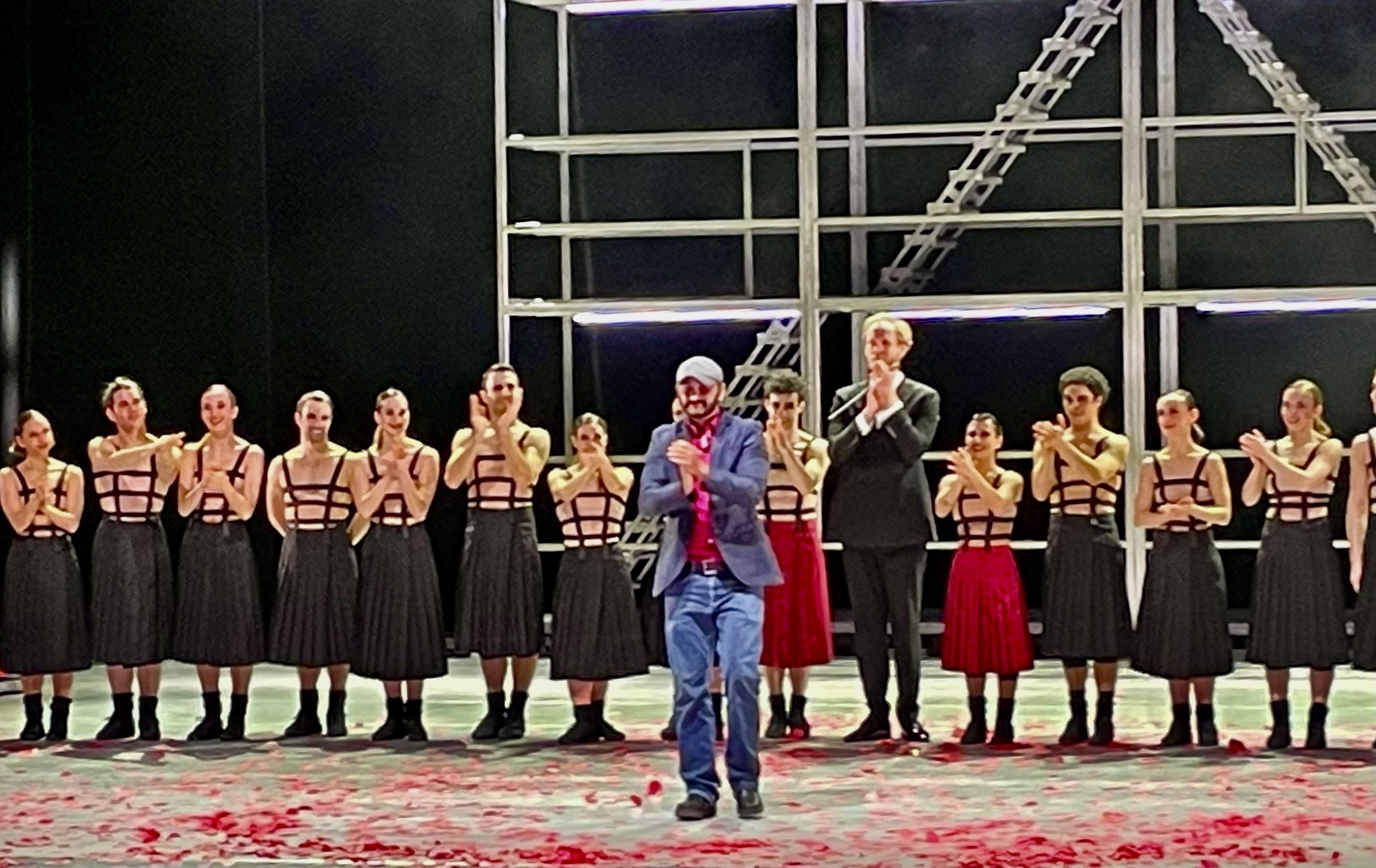
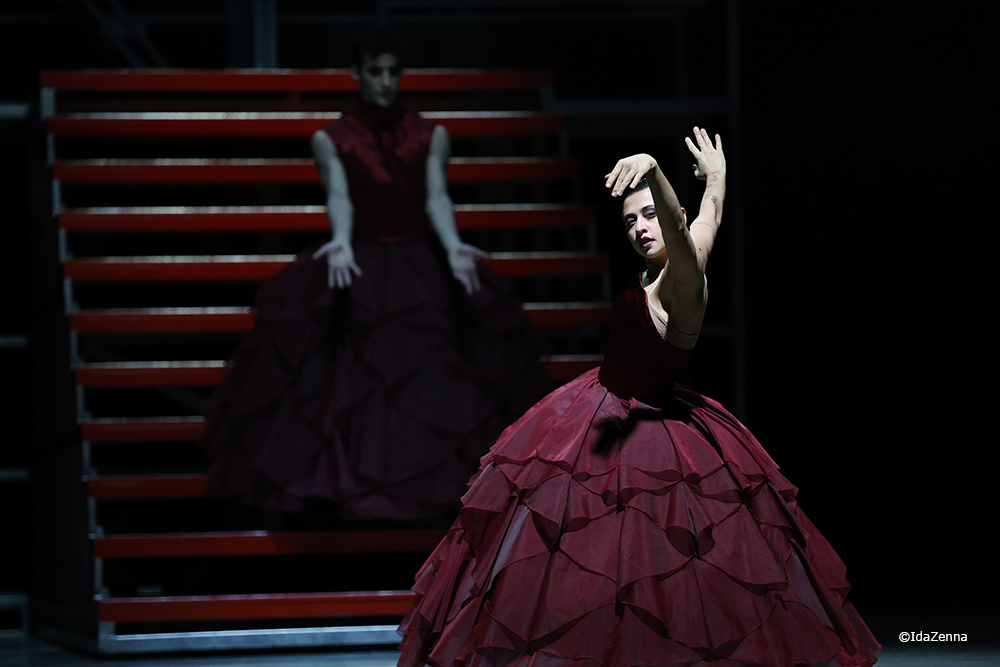
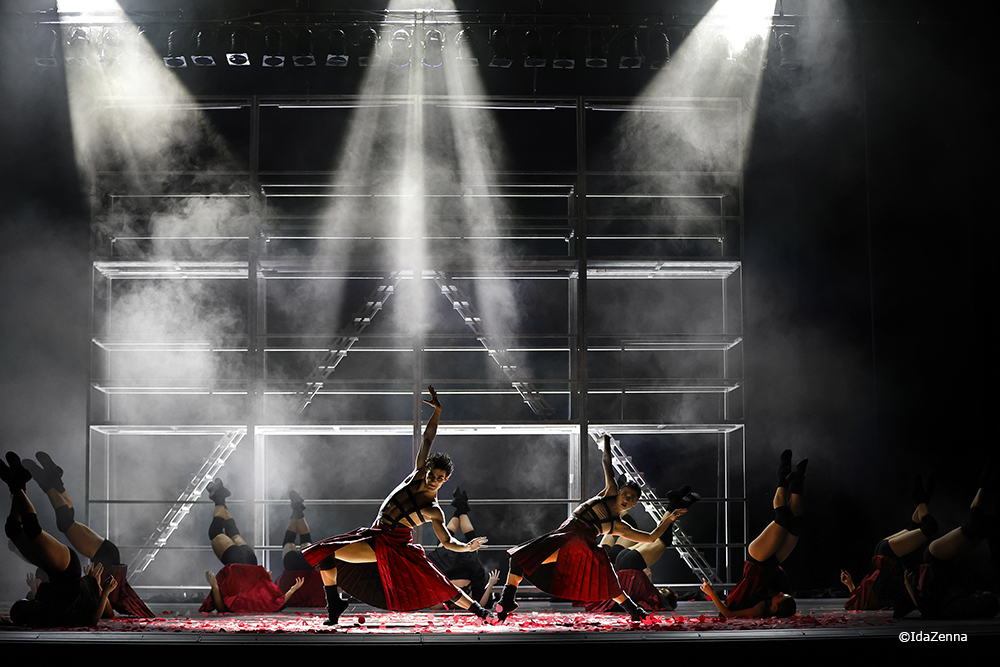
YS: Two elements were important to me: I wanted to extend the choreography from the horizontal to the vertical. Therefore, set designer Lars Peter built me a framework in which the dancers can also dance on top of each other at different levels. The second element is a mobile staircase—a staircase always marks a path—beneath which is a chamber, serving as a final retreat, for example, for one’s conscience.